
-
Wire Sizing Calculator
The Wire Sizing Calculator is an online tool that determines the appropriate wire size based on voltage drop over a specified distance. Users input source voltage, current, wire length, and material type, with temperature adjustments available. It accommodates sizes from 4/0 to 30 AWG and offers wire comparisons for optimal project choices.
-
How Does Infill Percentage Affect Heat Durability of Your 3D Printed Parts?
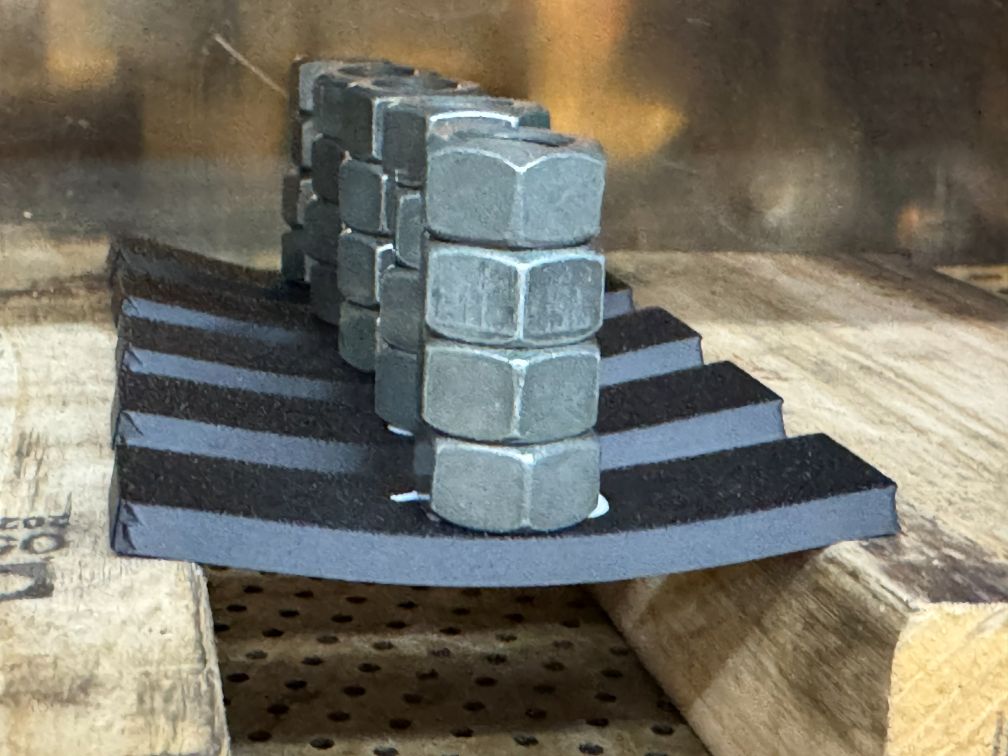
This post examines how the infill percentage affects the durability of 3D printed PLA parts in high temperatures. It conducts tests to measure deflection under heat and load, revealing that while higher infill generally enhances strength, 60% infill offers an optimal strength-to-weight ratio. Outliers were noted, prompting further investigation.
-
Solar Panel String Calculator
The Solar Panel String Calculator assists users in planning solar installations by calculating the configuration of panels in series or parallel. Essential data from the solar panel’s specifications, including temperature characteristics and inverter details, are required for accurate calculations. Users must also account for local low temperatures to optimize panel performance.
-
Tap Drill Size Calculator
The Tap Drill Size Calculator assists machinists and fabricators in determining the appropriate drill size for tapping holes for threads. Users can choose from standard or custom dimensions, with considerations for material hardness impacting thread engagement percentages. Results indicate closest matching drill bits and corresponding engagement percentages.
-
Thermal Expansion – Shrink Fit Calculator
Engineering Tools Introduction: Below is our shrink fit and thermal expansion calculator. Use this calculator to solve for linear expansion due to temperature change and the temperatures needed to assemble an interference joint (shrink fit). If you don’t see your material listed in the material section, please contact us and we’ll research and add it.…
-
Harnessing Thermal Expansion: From Interference Fits To Structural Designs.

Thermodynamics Introduction In this post, we are going to cover the topic of thermal expansion and how we account for it and how we use it. What Is Thermal Expansion? Thermal expansion (and contraction) is the result of a temperature change on an object. Some objects are more sensitive to temperature changes. Take for example…
-
When Can You 3D Print a Final Part? (and When You Shouldn’t)

Evaluating 3D-printed plastic components for end-use requires assessing safety, strength, durability, and aesthetics. Never rely on printed parts for direct human or critical machine safety. Optimize strength using high infill for compression and proper layer orientation for tension. Choose task-appropriate filaments—or combine with metal hardware—to ensure long-term functionality.
-
Designing Functional 3D Prints: Practical Hardware Solutions
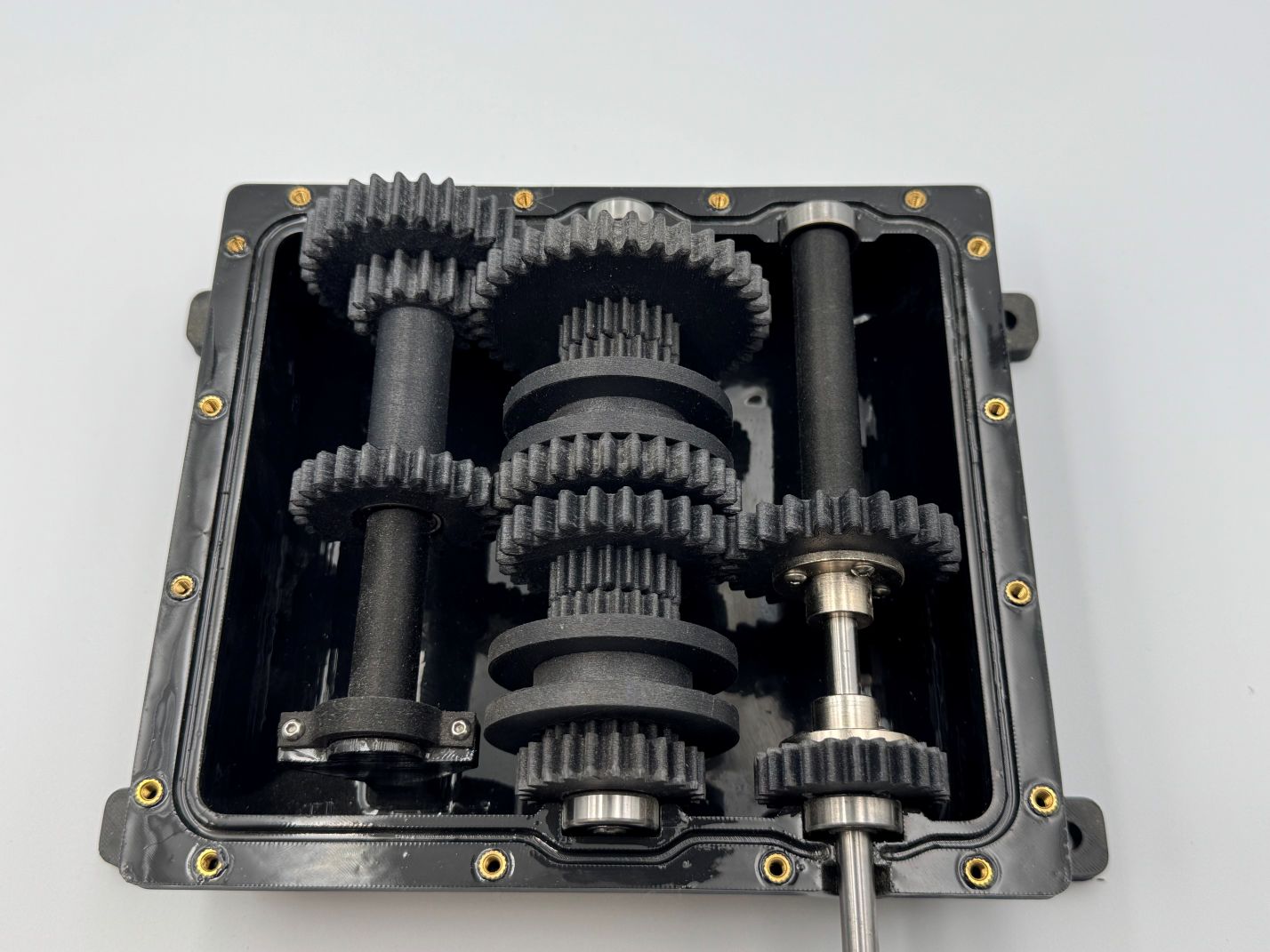
Take your 3D prints beyond pure plastic by integrating metal hardware for lasting durability. This guide covers practical techniques for adding heat-set inserts, compression springs, 608 bearings, axle shafts, and dowel pins to your designs—turning everyday 3D printed parts into functional, smooth-operating, and high-performance mechanical systems.
-
Review of Vevor Magnetic Drill Press

The review discusses the Vevor Magnetic Drill Press, highlighting its mobility, power, and effective lubrication system. While offering solid performance for a low price, it notes safety concerns with the main power switch and issues with variable speed control and handle stability. Overall, the reviewer highly recommends this budget-friendly option for hobbyists.
-
Moments

This post explains moments in physics, focusing on their significance in calculations related to rotation and balance. It discusses moments of force (torque) and mass, demonstrating their applications in engineering, aviation, and mechanics. The content clarifies how to compute moments for static systems, balancing objects, and finding centers of mass.